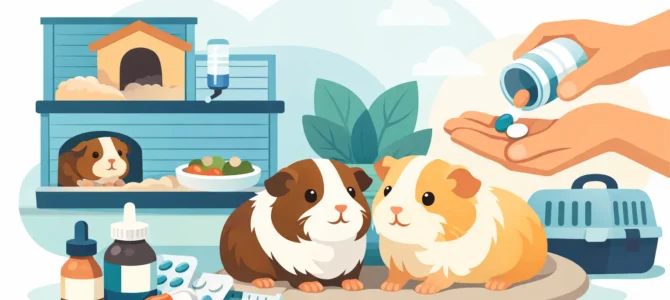
Guinea pig boarding with medication should feel safe and stress-free. Learn what good care looks like and how to prepare your pet for a stay.



 07758 317569
Guinea pig boarding with medication should feel safe and stress-free. Learn what good care looks like and how to prepare your pet for a stay.
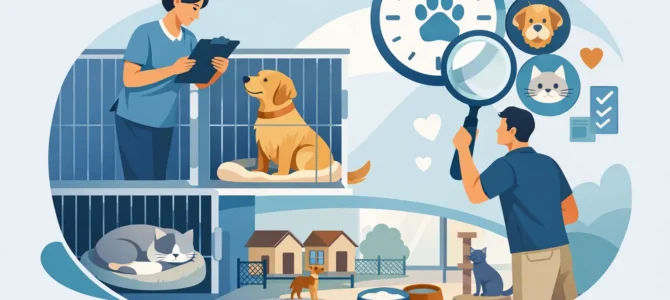
How often should boarded pets be checked? Learn what proper monitoring looks like for rabbits, guinea pigs and small pets in quality boarding.
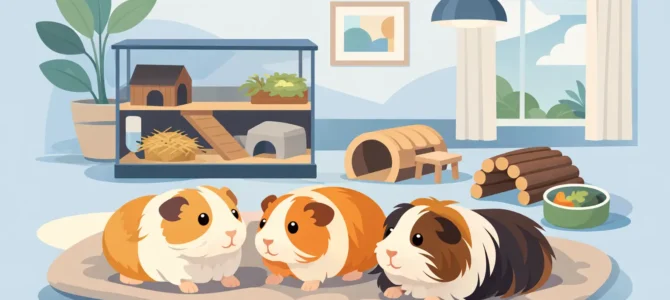
Indoor guinea pig boarding offers warmth, hygiene and calm care for treasured pets, with safe routines, enrichment and close daily monitoring.
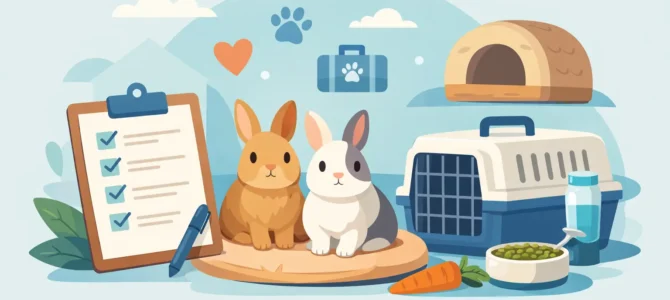
Use this essential rabbit boarding checklist to prepare your rabbit for a safe, comfortable stay with the right food, records and routine.
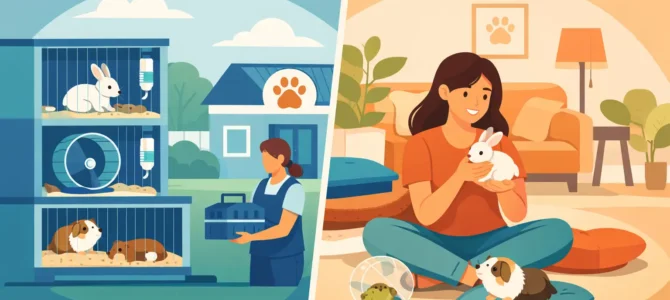
Boarding facility or pet sitter for small pets? Learn which suits rabbits, guinea pigs and other little companions best for comfort and care.

Rabbit vaccination before boarding helps protect your rabbit and others from serious illness. Here’s what owners in Glasgow need to know.
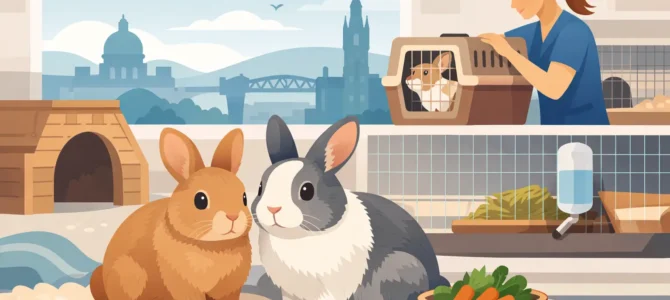
Looking for rabbit boarding Glasgow owners can trust? Discover what matters most in safe, clean, caring rabbit boarding while you’re away.
At Furry Friends hotel we specialise in the care of exotic pets (rabbits, guinea pigs and hamsters). Glasgow and the surrounding areas can be reassured that pet owners can find a pet care facility, that is – clean, caring, specialist, where their treasured pets are treated as guests, not just bookings. The detail below explains why choosing a 5* facility is so important for your pet.
Leaving a rabbit, guinea pig or hamster behind is never as simple as handing your pet over. Small pets have their own routines, their own sensitivities and, very often, their own health needs. If you are searching for small animal boarding Glasgow pet owners can genuinely feel good about, the difference is rarely in flashy claims. It is in the detail – the warmth of the accommodation, the cleanliness of the space, the confidence of the carers and the quiet consistency of daily routines.
For many owners, that search starts with one big question: will my pet be properly cared for, or simply housed until I come back? That is the real line between basic boarding and a premium, welfare-led stay, that is 5*
Essential features of quality small animal boarding in Glasgow
Rabbits, guinea pigs, hamsters, mice and similar pets need specialist care. Their boarding cannot be treated as an add-on to cat or dog services, because their requirements are different from the ground up. Housing, temperature, feeding, exercise, hygiene and stress management all matter in a more tailored way.
A quality boarding setting should feel calm, secure and well organised. Indoor spaces are especially important in Glasgow, where the weather can turn quickly. Heated areas in colder months and cool, well-ventilated accommodation in warmer periods help protect small animals from unnecessary stress. Outdoor hutches and runs can be a wonderful part of the experience too, but only when they are clean, secure and used appropriately for the species, season and individual pet.
Space matters more than many people realise. A rabbit or guinea pig should not spend a stay confined to a cramped enclosure. Proper exercise areas and larger runs allow natural behaviours such as hopping, stretching, exploring and social interaction with bonded companions. That movement is part of good welfare, not a luxury extra.
Then there is hygiene. Small animals can be vulnerable to respiratory issues, digestive upset and stress-related problems, so cleanliness is not just about appearance. Fresh bedding, thorough disinfecting between guests, careful waste management and daily checks all contribute to a safer stay.
Why specialist knowledge matters so much ?
Small pets are experts at hiding illness. A rabbit may appear quiet rather than obviously unwell. A guinea pig may eat less before there are any dramatic signs of a problem. Hamsters and mice can decline quickly if subtle changes are missed. That is why experience matters.
A specialist boarding team should be comfortable spotting changes in appetite, droppings, behaviour, posture and mobility. They should know when a pet is simply settling in and when something needs attention. Medication support is another area where proper knowledge makes a difference. If your pet needs ongoing treatment, you need to know this will be administered carefully, at the right time and with the right handling.
This is where a dedicated small pet hotel stands apart from more general pet boarding. Owners are not just paying for a pen. They are paying for informed care, thoughtful observation and the reassurance that someone understands the normal behaviour of rabbits, guinea pigs and other small companions.
Small animal boarding Glasgow families can feel confident booking
Trust is built through specifics. If a boarding provider talks clearly about accommodation, daily routines, cleaning standards, feeding arrangements and health checks, that is usually a good sign. Vague promises are less useful than practical detail.
You should expect to see a boarding service that asks questions about your pet’s normal diet, habits, bonding situation and medical history. A good provider will want to know whether your rabbit prefers indoor accommodation, whether your guinea pigs must stay together, what your hamster eats each evening and whether nail trimming or grooming support may be helpful during the stay.
For owners in and around Glasgow, convenience matters too, but not at the expense of care. Flexible arrangements, regular updates and even transport support can make boarding much easier, especially before a holiday or during a busy week. Those touches feel premium because they remove stress from the whole process, not just from the pet’s stay.
The details that create a true home-from-home stay
The phrase home-from-home gets used often, but with small animals it should mean something concrete. It means routines are respected. It means favourite foods and familiar bedding can be incorporated where appropriate. It means shy pets are handled gently and confident pets are given safe enrichment and attention.
Luxury in small animal boarding is not about decoration. It is about comfort, welfare and thoughtful design. Heated and air-conditioned spaces help maintain a suitable environment year-round. Purpose-built accommodation gives pets room to rest and move comfortably. Bespoke furnished pen options can also help when a pet has particular needs, whether that is age, mobility, temperament or a medical issue.
For rabbits and guinea pigs especially, enrichment is a major part of a good stay. Time in spacious exercise runs, opportunities to forage and a calm environment all help prevent boredom and support wellbeing. A pet that stays active, eats well and remains…
When fireworks are set off near areas where rabbits and guinea pigs are kept, it can lead to significant distress for these animals. The sudden explosions and flashes of light can trigger a fight-or-flight response, causing them to panic and attempt to escape their enclosures. This can result in injuries as they frantically try to find a safe place to hide.
In addition to the immediate danger posed by fireworks, the aftermath of a fireworks display can also harm rabbits and guinea pigs. Firework debris, such as spent casings and cardboard tubes, can be ingested by these animals, leading to digestive issues and potentially fatal blockages. The chemicals used in fireworks, such as sulfur and potassium nitrate, can also pose a risk if ingested or inhaled by rabbits and guinea pigs.
Pet owners should take precautions during celebrations to protect small pets from the dangers of fireworks. This can include keeping rabbits and guinea pigs indoors during fireworks displays, providing them with a quiet, calm environment to reduce stress, and monitoring them closely for signs of distress. Additionally, pet owners can seek advice from veterinarians on how to help their animals cope with the noise and lights of fireworks.
In conclusion, fireworks can be a source of wonder and excitement for people, but they can be a source of fear and danger for rabbits and guinea pigs. By taking steps to protect these small pets during fireworks displays, pet owners can ensure their safety and well-being. It is crucial to prioritize the welfare of animals and consider the impact of our actions on their health and happiness.
References:
1. Johnson, A. (2019). Fireworks and small animals: Understanding the dangers. Journal of Veterinary Behavior, 15, 28-33.
2. Animal Welfare Institute. (2020). Firework safety guidance for small pets. Retrieved from www.awionline.org/fireworksafety
3. RSPCA. (2021). Keeping rabbits and guinea pigs safe during fireworks season. Retrieved from www.rspca.org.uk/fireworkssafety
