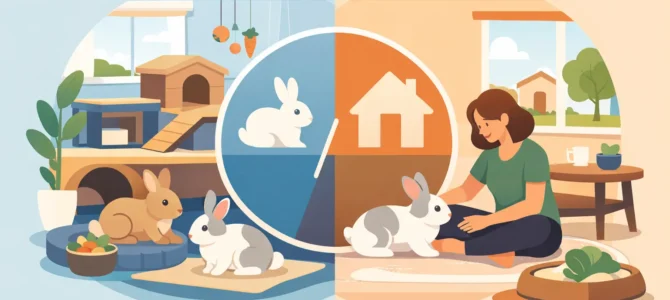
Boarding facility or pet sitter for small pets? Learn which suits rabbits, guinea pigs and other little companions best for comfort and care.


Boarding facility or pet sitter for small pets? Learn which suits rabbits, guinea pigs and other little companions best for comfort and care.

Rabbit vaccination before boarding helps protect your rabbit and others from serious illness. Here’s what owners in Glasgow need to know.

Looking for rabbit boarding Glasgow owners can trust? Discover what matters most in safe, clean, caring rabbit boarding while you’re away.
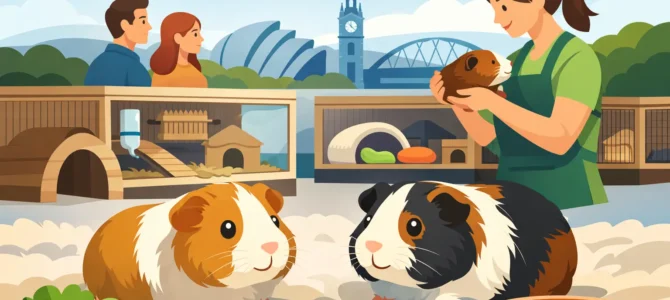
At Furry Friends hotel we specialise in the care of exotic pets (rabbits, guinea pigs and hamsters). Glasgow and the surrounding areas can be reassured that pet owners can find a pet care facility, that is – clean, caring, specialist, where their treasured pets are treated as guests, not just bookings. The detail below explains why choosing a 5* facility is so important for your pet.
Leaving a rabbit, guinea pig or hamster behind is never as simple as handing your pet over. Small pets have their own routines, their own sensitivities and, very often, their own health needs. If you are searching for small animal boarding Glasgow pet owners can genuinely feel good about, the difference is rarely in flashy claims. It is in the detail – the warmth of the accommodation, the cleanliness of the space, the confidence of the carers and the quiet consistency of daily routines.
For many owners, that search starts with one big question: will my pet be properly cared for, or simply housed until I come back? That is the real line between basic boarding and a premium, welfare-led stay, that is 5*
Essential features of quality small animal boarding in Glasgow
Rabbits, guinea pigs, hamsters, mice and similar pets need specialist care. Their boarding cannot be treated as an add-on to cat or dog services, because their requirements are different from the ground up. Housing, temperature, feeding, exercise, hygiene and stress management all matter in a more tailored way.
A quality boarding setting should feel calm, secure and well organised. Indoor spaces are especially important in Glasgow, where the weather can turn quickly. Heated areas in colder months and cool, well-ventilated accommodation in warmer periods help protect small animals from unnecessary stress. Outdoor hutches and runs can be a wonderful part of the experience too, but only when they are clean, secure and used appropriately for the species, season and individual pet.
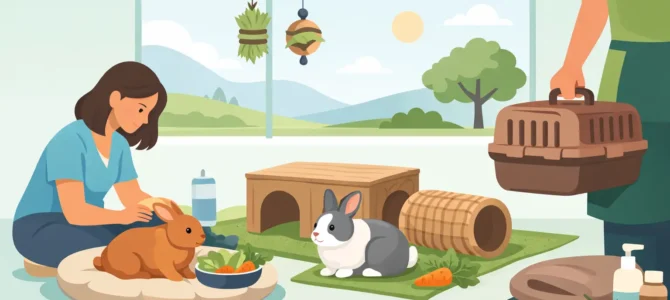
Space matters more than many people realise. A rabbit or guinea pig should not spend a stay confined to a cramped enclosure. Proper exercise areas and larger runs allow natural behaviours such as hopping, stretching, exploring and social interaction with bonded companions. That movement is part of good welfare, not a luxury extra.
Then there is hygiene. Small animals can be vulnerable to respiratory issues, digestive upset and stress-related problems, so cleanliness is not just about appearance. Fresh bedding, thorough disinfecting between guests, careful waste management and daily checks all contribute to a safer stay.
Why specialist knowledge matters so much ?
Small pets are experts at hiding illness. A rabbit may appear quiet rather than obviously unwell. A guinea pig may eat less before there are any dramatic signs of a problem. Hamsters and mice can decline quickly if subtle changes are missed. That is why experience matters.
A specialist boarding team should be comfortable spotting changes in appetite, droppings, behaviour, posture and mobility. They should know when a pet is simply settling in and when something needs attention. Medication support is another area where proper knowledge makes a difference. If your pet needs ongoing treatment, you need to know this will be administered carefully, at the right time and with the right handling.
This is where a dedicated small pet hotel stands apart from more general pet boarding. Owners are not just paying for a pen. They are paying for informed care, thoughtful observation and the reassurance that someone understands the normal behaviour of rabbits, guinea pigs and other small companions.
Small animal boarding Glasgow families can feel confident booking
Trust is built through specifics. If a boarding provider talks clearly about accommodation, daily routines, cleaning standards, feeding arrangements and health checks, that is usually a good sign. Vague promises are less useful than practical detail.
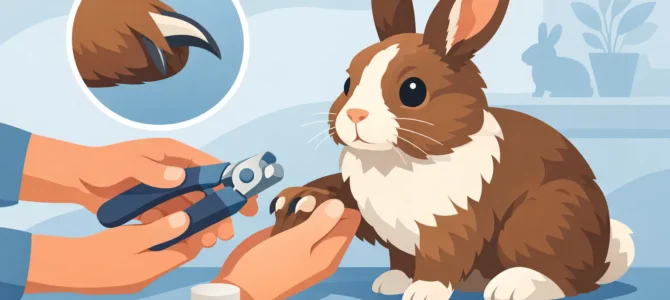
You should expect to see a boarding service that asks questions about your pet’s normal diet, habits, bonding situation and medical history. A good provider will want to know whether your rabbit prefers indoor accommodation, whether your guinea pigs must stay together, what your hamster eats each evening and whether nail trimming or grooming support may be helpful during the stay.
For owners in and around Glasgow, convenience matters too, but not at the expense of care. Flexible arrangements, regular updates and even transport support can make boarding much easier, especially before a holiday or during a busy week. Those touches feel premium because they remove stress from the whole process, not just from the pet’s stay.
The details that create a true home-from-home stay
The phrase home-from-home gets used often, but with small animals it should mean something concrete. It means routines are respected. It means favourite foods and familiar bedding can be incorporated where appropriate. It means shy pets are handled gently and confident pets are given safe enrichment and attention.
Luxury in small animal boarding is not about decoration. It is about comfort, welfare and thoughtful design. Heated and air-conditioned spaces help maintain a suitable environment year-round. Purpose-built accommodation gives pets room to rest and move comfortably. Bespoke furnished pen options can also help when a pet has particular needs, whether that is age, mobility, temperament or a medical issue.
For rabbits and guinea pigs especially, enrichment is a major part of a good stay. Time in spacious exercise runs, opportunities to forage and a calm environment all help prevent boredom and support wellbeing. A pet that stays active, eats well and remains…
When fireworks are set off near areas where rabbits and guinea pigs are kept, it can lead to significant distress for these animals. The sudden explosions and flashes of light can trigger a fight-or-flight response, causing them to panic and attempt to escape their enclosures. This can result in injuries as they frantically try to find a safe place to hide.
In addition to the immediate danger posed by fireworks, the aftermath of a fireworks display can also harm rabbits and guinea pigs. Firework debris, such as spent casings and cardboard tubes, can be ingested by these animals, leading to digestive issues and potentially fatal blockages. The chemicals used in fireworks, such as sulfur and potassium nitrate, can also pose a risk if ingested or inhaled by rabbits and guinea pigs.
Pet owners should take precautions during celebrations to protect small pets from the dangers of fireworks. This can include keeping rabbits and guinea pigs indoors during fireworks displays, providing them with a quiet, calm environment to reduce stress, and monitoring them closely for signs of distress. Additionally, pet owners can seek advice from veterinarians on how to help their animals cope with the noise and lights of fireworks.
In conclusion, fireworks can be a source of wonder and excitement for people, but they can be a source of fear and danger for rabbits and guinea pigs. By taking steps to protect these small pets during fireworks displays, pet owners can ensure their safety and well-being. It is crucial to prioritize the welfare of animals and consider the impact of our actions on their health and happiness.
References:
1. Johnson, A. (2019). Fireworks and small animals: Understanding the dangers. Journal of Veterinary Behavior, 15, 28-33.
2. Animal Welfare Institute. (2020). Firework safety guidance for small pets. Retrieved from www.awionline.org/fireworksafety
3. RSPCA. (2021). Keeping rabbits and guinea pigs safe during fireworks season. Retrieved from www.rspca.org.uk/fireworkssafety
Rabbit-Friendly Garden blog
As we approach spring and summer you may be thinking about giving your garden that annual makeover. Well, this year why not try and make it bunny friendly so you can both enjoy some time outside in the sun!
Firstly, we need to make sure those escape artists can’t get too far so fencing is essential! If you are not as keen on the standard wooden fence, you could spruce it up with a hedge fence – of course with a wire mesh inside so they can’t run through it! Alternatively, you could section of part of your garden if that’s easier for you to manage.
We know our rabbits love to nibble on grass, so we want to make sure it’s safe for them. We don’t want any pesticides or fertilisers on it as this could be toxic for them! For the nibblers out there – artificial grass may not be the option however some bunnies do just fine on it.
Now that we have our area secured and fenced off – it’s time to add something to spruce it up! Flowers and plants are the perfect way to add the finishing touch to your new bunny friendly garden. Most importantly we need to make sure everything we are putting in it is rabbit friendly – nothing toxic! Here are just a few examples of toxic plants that you would not want to find in the garden of a free ranging bunny.
Plants which are toxic to bunnies: Avoid these plants.
If you want to read more why not visit , www.pdsa.org.uk websites here you can find more information on toxic plants to avoid.
You may be thinking, what can I plant ? Here are a couple of options for your rabbit- friendly spring and summer garden.
Rabbit-friendly plants:
Hanging baskets and sectioned off flower beds are the perfect idea to allow you to have lovely plants that are safe from your bunny eating them. You can make other edible plants more accessible to your rabbit to have a nibble on.
Finally, there is nothing better than watching your happy bunnies binky and run around. Why not add some of your bunny’s favourite hideouts, tunnels, and toys? I am sure they will thank you for it!
Happy Gardening!
Ref: Gardening with Rabbits by Twigs Way 2022 Rabbit Welfare Association and Fund
Boredom-breakers-for-rabbits
(Guinea Pig Information and Advice in a following post later in April)
Perhaps you have had your pet a little while ago and now the novelty is meeting to an end. When you leave your home you find your bunny comfortable and relaxed, and when you return home you still find him in the same situation. You may think your bunny is boring and is not like other pets that keep playing and look enchanting.
You are wrong! Your bunny needs you to provide something joyful and playful that can keep him busy and active all the way when you are away.
Rabbits are energetic and also want to have fun like dogs and cats and even us humans. Sometimes a roll of toilet paper is enough to do this job.
All rabbits have a great sense of curiosity and if they are not allowed to be active boredom and depression can quickly develop in them. This can lead to behavioural problems.
Bored rabbits are very likely to be mischievous. They love to explore. So there might be things like the underside of the couch and hanging electrical cords for them to explore and inspect which you should tuck out of the way to be safe.
Your bunny will not fall into boredom if you keep offering him stimulating activities which can take him a long way toward enjoyment. Any kind of excitement will drive the rabbit away from places to avoid.
Haylofts, boxes and tunnels of cardboard, hidden areas, string balls, wheels of hay, willow baskets, seagrass mats, paper towel tubes stuffed with hay, are all most favourite items for a bunny to remain busy.
Most of the items listed here are consumables. Don’t forget your bunny is most likely to eat, chop, and gradually destroy carpets, cardboard, and balls. However, you need to stop him to consume things made of plastic.
These things are called boredom breakers. Let’s explore some of them.
Bunny Boarding:
Bunny boarding is an excellent way as boredom breaker if you cannot take care of your bunny for a specific period of time. Rabbit hotels have been saving rabbits and improving their lives for many years. These hotels are making the world a better place for rabbits.
Whenever you plan to go on vacations or have formal or informal events where you are unable to stay with your bunnies and take care of them, experts make sure to handle them professionally in a safe, comfortable, and fun environment in these hotels.
They provide loving care with all the essential things to make them healthy, happy, and joyful. Your bunny can have an ideal environment by having their favourite
k foods and fun activities. Just make sure to inform and provide all the things and medications to the staff which are necessary for your bunny’s health and well-being.
Give them a place to play and have fun.
Like cats and dogs, rabbits love to play and have fun with their toys. For the most part, their favourite game is the toy box. To keep them away from getting bored with the same toys, you should replace them from time to time and put them in different places such as the garden, in their run, and in the living space.
Many people who own rabbits are surprised to know about their pets which are just so interesting and playful. Most rabbits like to choose simple and interesting toys, such as paper boxes or empty rolls of tissue paper.
Toys keep your rabbit healthy and keep it from getting bored. Bored rabbits are more prone to be depressed, destructive, obesity, and can be victims of many diseases. Without toys and playful equipment, rabbits will turn their attention to your furniture, belongings, and even dangerous things like electric cords as chew toys.
Try different types of toys to find the right one for your rabbit and give him new ones on a regular basis. Try finding out what they like the most to play and what things make them more active and smart.
The benefits of rabbit toys:
Enrichment refers to the activities of the animals that make them think. Rabbits that received mentally stimulating activities are happier and healthiest than the bored and less active rabbits. That’s why it’s so important to enrich your rabbit with fun-producing things and toys. Picking things up, crawling over items, or using the mind to hide in hidden places, are the various and simplest ways to provide them with fun opportunities. Just be creative and watch your bunny play and twist your choice of toys and your bunny will jump every day.
Final Words:
There could be an endless list of bunny boredom breakers, one needs to spend a reasonable time to identify which things or items really turned on their creative nature. Try different things with them and they will let you know their favourite ones. Bunny boarding is also one of the best ways that is proven as a boredom breaker for your loving pet bunny
Getting to know your rabbit
So you are now the owner of a rabbit or two, as previously mentioned in our April blog your rabbit will do better and be more stable if they are part of a pair or small group. There are a number of behaviours that are good to understand about your cute cuddly fluff ball.
Hostility: remember your new friend is a prey animal and will be fearful of any newcomers to their surroundings. If they are normally placid and when you approach their behaviour is unwelcoming, a check-up with the vet to ensure there is no pain or underlying medical condition that is causing the reactions.
We all like our own space and protect our home, rabbits are equally territorial, in the wild a rabbit group has a leader, usually a dominant male. If a new rabbit is introduced into another’s home ground and there is an aggressive response from the other rabbit, he is likely to be defending his territory. Neutral ground is always a good start when introducing your furry friends. Seek advice from rabbit rescue or vet services to support good interaction between your rabbits.
Chasing: rabbits run after each other to display their dominance, disputes like in any social group may occur, this is normal, it is important to give rabbits plenty of hutch and run space. A minimum of 6ft by 2ft hutches are recommended with additional run space. Not enough space can lead to unhappy bunnies and fights. Most fights are reported to be between unneutered males, one good reason to have your bunnies neutered.
Female rabbits can exhibit aggression, usually around their food bowls or in the wild nesting areas. Bunny owners may hear grunting or head butting toward their owner. This could be fear, related to bunnies’ natural prey instinct or previous negative experiences
You need to take time to get to know your bunny, wait for them to come to you, they need to see the hand as a friend. You could offer treats as the rabbit approaches you, fresh herbs e.g., parsley, mint, and coriander are best.
More bunnies: well, you know the saying, don’t you? Rabbits can breed from 10 -12 weeks, and a female can give birth every 4 weeks, that’s a lot of bunnies. It is better to see a vet and book them in for a neuter. This allows them to enjoy the companionship of other rabbit friends without pregnancy concerns.
Ill-health: taking the time to monitor your rabbit’s normal eating, drinking, pooping and playtime behaviour can help you know when something is not quite right. Rabbits are good at hiding when they are not well, so if your rabbit’s behaviour changes e.g. they don’t come out and see you at feed time, you need to look further.
You need to ask yourself, is your rabbit being less active? are they looking uncomfortable? Have they stopped eating? are there fewer droppings or watery droppings? Is there excess mucus on their front paws? Are they scratching around the ears all the time? or has your rabbit developed a head tilt? If you are noticing any of these changes a visit to the vet or chat with the veterinary nurse would be advised.
Lack of occupation: your bunny can become stressed and frustrated if they are bored. You may notice constant nibbling of cage bars, digging, and chewing. Improve the environment by creating foraging boxes to support food finding and digging, providing a choice of shelters from cardboard boxes to tunnels. Chew toys can encourage normalized play activity, willow tunnels, acorns, a range of sticks
Summary:
So this cute ball of fluff has to be handled with care, think carefully about its environment and run space. Give thought to who their companions are. Remember rabbits hide their illness well so monitor water intake, and food intake, remember diet should be 80% hay 10% pellets and 10% greens daily. Hay at all times. Look for changes in behaviour and try to understand them, modify your approach, and add enrichments to their living area, this may help. No rabbit is the same, what works for one may not work to settle your rabbit immediately. Don’t give up, trying to understand your bunny and what their body language is saying will create a stronger bond between you and a happier home for all. Look out for the next blog where we will explore small furry first aid remedies.
Reference:
Understanding Your Rabbits Habits:2011, Tamsin Stone